
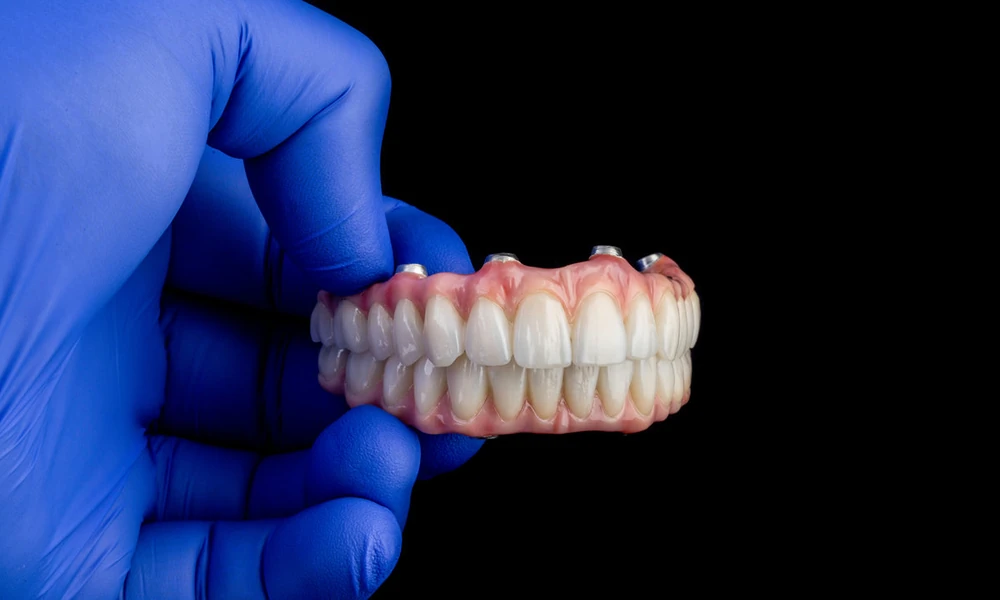
You might be feeling stuck between two hard choices. Maybe you are tired of missing teeth, tired of thinking about what you can eat, how you sound when you speak, or whether your smile will shift at the wrong moment. And if you have already worn affordable dentures in Sequim, WA, you may know that relief can come with tradeoffs. They can help, but they can also bring slipping, sore spots, and a constant need to adjust. Because of that tension, it makes sense to ask whether there is a better long term answer.
The short version is this. For many people, dental implants offer more stability, more comfort, better chewing power, and stronger support for jaw health than traditional dentures. That does not mean dentures are never useful. It means that if you want a solution that feels closer to natural teeth, implants are often worth a serious look from a general and implant dentist.
Why do traditional dentures feel like a compromise for so many people?
Traditional dentures replace missing teeth, and for some people they restore confidence quickly. Still, they sit on top of the gums rather than anchoring into the jawbone. That difference matters more than it may seem at first. According to MedlinePlus information on dentures, dentures can require adjustments and careful daily maintenance, and they may not feel the same as natural teeth.
What does that look like in daily life? You may avoid crunchy foods, speak more carefully in meetings, or feel self conscious at dinner with family. Small habits start to change. You chew on one side. You choose softer foods. You smile with your lips closed. Over time, those workarounds can feel exhausting.
So, where do implants change the picture?
How do dental implants outperform dentures when it comes to stability?
The first big difference is security. Implants are placed into the jawbone, where they act like artificial tooth roots. Because they are anchored, they do not move around the way removable dentures can. That means less worry when you laugh, talk, cough, or eat in public.
If you have ever had a denture slip while ordering food or speaking to someone up close, you know how much that can shake your confidence. With implants, the goal is not just to replace teeth. It is to restore a sense of normal life. That is one reason many people searching for dental implants vs dentures are really asking a deeper question. Which option will let me stop thinking about my teeth all day?
Can implants help you eat and speak more naturally?
Yes, and this is the second major advantage. Dentures can restore some chewing function, but they often do not match the bite strength of natural teeth. Implants usually provide stronger support, which can make it easier to enjoy foods that are harder to chew. That matters for comfort, but it also matters for nutrition. The body works better when you can eat a wider range of healthy foods.
Speech can improve too. Dentures sometimes shift just enough to affect certain words, especially when they are new or not fitting well. Implants stay fixed, so your tongue and lips do not have to keep adjusting around a moving appliance. If you have been frustrated by mumbling, clicking, or repeating yourself, that change can feel like a real relief.
When you look at the MedlinePlus overview of tooth loss, it becomes clear that replacing missing teeth is not only about appearance. It affects chewing, speech, and daily function. That is where implant supported teeth replacement can stand apart.
What about jawbone health and long term changes in your face?
This is the third advantage, and it is one many people do not hear about soon enough. When a tooth is lost, the jawbone in that area can begin to shrink because it is no longer being stimulated by a tooth root. Dentures sit on the gums, so they do not stop that process in the same way. Implants, because they are placed in the bone, can help preserve bone structure.
Why does that matter? Bone loss can affect the fit of dentures over time, which can lead to more adjustments and discomfort. It can also change the shape of the lower face, making the mouth look sunken. In other words, the issue is not only what your teeth do today. It is also what your mouth and face may be dealing with years from now.
Do implants make daily care simpler than dentures?
The fourth advantage is convenience in everyday life. Dentures need to be removed and cleaned carefully, and they may require adhesives or soaking routines. Implants, by contrast, are cared for much like natural teeth. Brush, floss, and keep up with checkups. Good home care still matters, of course, and the National Institute of Dental and Craniofacial Research oral hygiene guidance is a helpful place to start. Still, many people find fixed teeth easier to live with than removable ones.
That said, implants are not automatic for everyone. Gum health, bone levels, healing ability, and budget all play a part. A skilled general and implant dentist can help you sort through those details without rushing you.
Which option fits your life better right now?
| Comparison Point | Traditional Dentures | Dental Implants |
|---|---|---|
| Stability | Can shift or loosen during eating or speaking | Anchored in the jaw for a more secure feel |
| Chewing Power | Often limited with tougher foods | Usually stronger and closer to natural function |
| Jawbone Support | Does not directly stimulate bone | Helps support bone where teeth are missing |
| Daily Care | Remove, clean, and often soak | Brush and floss much like natural teeth |
| Upfront Cost | Usually lower at first | Usually higher at first |
| Long Term Adjustments | May need relining or replacement as fit changes | May offer longer term stability with proper care |
What can you do next if you are weighing dentures and implants?
1. Write down what frustrates you most. Is it slipping, soreness, food limits, or the way your smile feels? When you know your real pain points, the right treatment becomes easier to see.
2. Ask for a full implant evaluation. A proper exam should look at bone support, gum health, medical history, and your goals. If you are comparing tooth replacement options, you need more than a price quote. You need a plan that fits your life.
3. Think beyond the first year. Initial cost matters, of course, but so do maintenance, comfort, confidence, and the chance of future adjustments. Sometimes the less expensive choice today becomes the more frustrating one later.
You do not have to keep guessing or settling. Missing teeth can affect far more than your smile, and if dentures have felt limiting, there may be a steadier path forward. Speaking with a general and implant dentist can help you understand whether implants make sense for your health, your budget, and your daily life. The right choice is the one that gives you comfort, function, and peace of mind you can count on.