
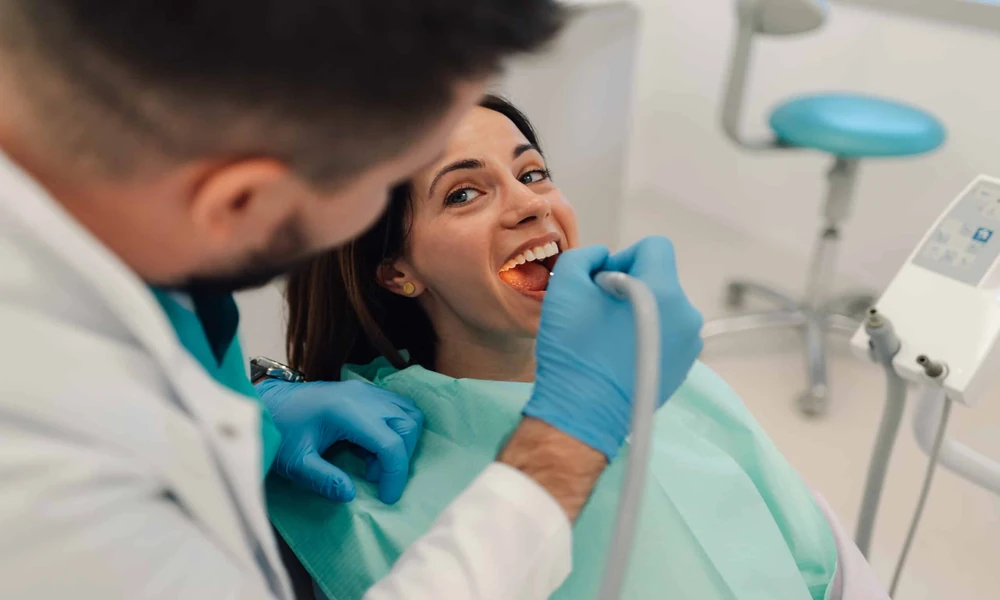
You might not think much about your teeth until something starts to hurt. Maybe it is a little sensitivity when you drink something cold, bleeding when you brush, or a dull ache you keep hoping will go away. That is how oral health problems often begin. Quietly, then all at once. And when they do, the stress can spread fast, from your comfort to your budget to your daily routine. If you are looking for a dentist in Hartford, CT, addressing concerns early can help prevent bigger problems later.
That is why 6 Reasons Preventive Dentistry Should Be A Top Priority matters more than many people realize. The short version is simple. Preventive care helps you avoid pain, catch problems early, protect your overall health, save money, and build better habits for the long run. If you are looking for a trusted family dentist, prevention is often the smartest place to begin.
Why do so many people put off preventive dental care until something feels wrong?
Life gets busy. Cleanings get delayed. A small spot of gum irritation does not seem urgent when work, school, and family responsibilities are competing for your attention. Because of that, many people end up treating dental care as a reaction instead of a routine.
The problem is that tooth decay and gum disease do not always cause early pain. You can feel fine while a cavity grows or gum inflammation gets worse. According to the CDC’s oral health tips for adults, daily brushing and flossing, along with regular dental visits, play a big part in preventing disease before it becomes harder to manage.
So, what are the six biggest reasons to make prevention a priority?
First, preventive dentistry helps catch small issues before they turn into major treatment. A tiny cavity is far easier to treat than a cracked tooth or an infection that needs a root canal.
Second, it can lower costs over time. Routine exams and cleanings are usually much more manageable than emergency treatment, crowns, or extractions.
Third, it supports gum health. Bleeding gums may seem minor, but they can point to inflammation that needs attention.
Fourth, it protects your overall health. Oral health is tied to your whole body, and national health goals from Healthy People oral condition objectives reflect how important prevention is for long term wellness.
Fifth, it helps children and adults build habits that last. When a household sees a dentist regularly, brushing, flossing, and making better choices become more natural.
Sixth, it brings peace of mind. There is real comfort in knowing you are staying ahead of problems instead of waiting for pain to force a decision.
What can happen when preventive oral care gets pushed aside?
When prevention slips, the effects are rarely limited to your mouth. You may start chewing on one side because a tooth feels off. You may avoid smiling in photos because of staining or gum issues. You may wake up one day with swelling and realize a problem you ignored is now urgent.
That is the hidden weight of delayed care. It is not just physical discomfort. It is the time off work, the sudden expense, the worry, and the feeling that you are now dealing with more than you expected.
Preventive dental care works because it interrupts that cycle early. Professional cleanings remove buildup you cannot fully handle at home. Exams can spot concerns before they become painful. Guidance from a dentist can also help if you grind your teeth, snack often, or have trouble with dry mouth, all of which can increase risk.
If you want a better sense of daily habits, the National Institute of Dental and Craniofacial Research oral hygiene guide offers practical steps that support healthy teeth and gums between visits.
How does preventive dentistry compare to waiting for treatment?
Sometimes the clearest way to see the value is to compare both paths side by side.
| Approach | What It Often Looks Like | Likely Result |
|---|---|---|
| Routine prevention | Regular exams, cleanings, X rays when needed, brushing, flossing | Earlier detection, lower chance of pain, more predictable costs |
| Wait until symptoms appear | Ignoring bleeding gums, sensitivity, or missed cleanings | Higher risk of decay, infection, tooth loss, and urgent treatment |
| Home care only | Brushing and flossing without professional checkups | Helpful, but buildup and hidden issues may still go unnoticed |
This is where a preventive dentistry mindset can make a real difference. It is not about being perfect. It is about being consistent enough to avoid preventable problems and respond early when something changes.
What can you do right now to protect your teeth and gums?
1. Get back to the basics.
Brush twice a day with fluoride toothpaste, floss once a day, and pay attention to changes like bleeding, soreness, or sensitivity. If something feels different, do not brush it off.
2. Schedule care before you need urgent care.
Seeing a dentist on a regular schedule gives you a better chance of catching issues while they are still small. That is one of the clearest benefits of oral disease prevention. It gives you options.
3. Think in terms of family habits, not one time fixes.
If you have children, your routine sets the tone. If you live alone, your own habits still shape your future health. Keep water nearby, limit frequent sugary snacks and drinks, and choose a dental home that supports the whole household.
So where does that leave you if you want to avoid bigger problems later?
It leaves you with a simple but powerful choice. You can wait for pain to decide for you, or you can take small steps now that protect your comfort, time, and budget. That is the heart of prevention. It is not dramatic, but it works.
A caring family dentist can help you stay ahead of issues, build a routine that fits real life, and keep your smile healthier over time. If you have been putting off care, this is a good time to change course and schedule your next dental visit.