
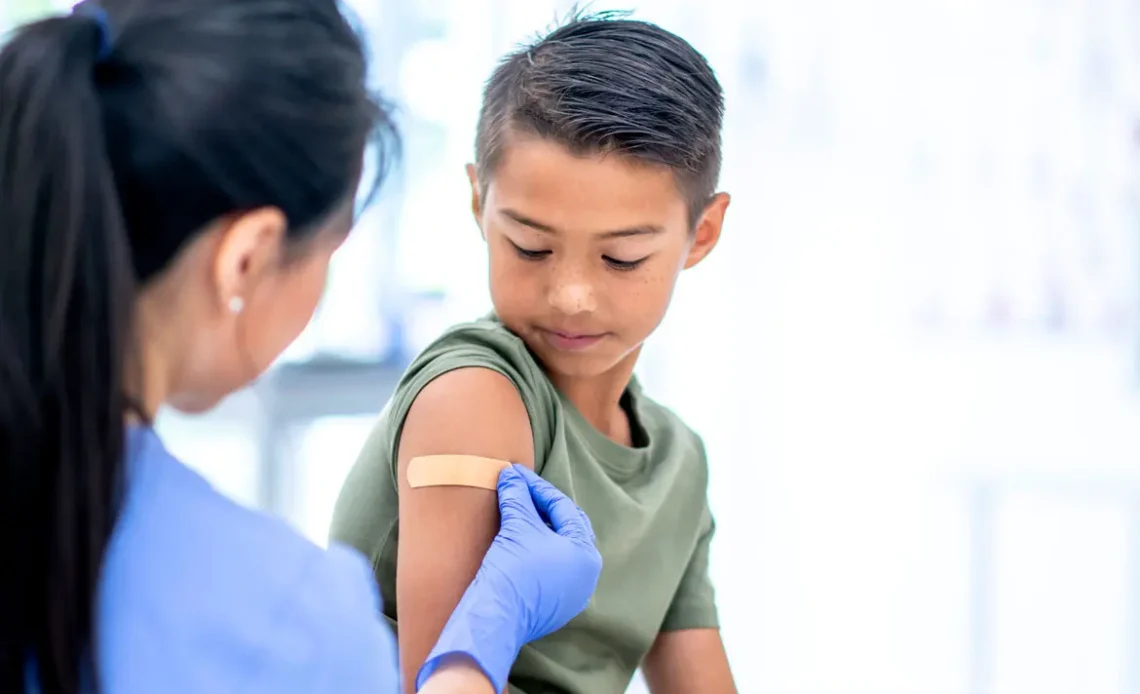
Vaccination is an important part of childhood preventive healthcare. In Singapore, the National Childhood Immunisation Schedule (NCIS) outlines recommended vaccinations from birth through adolescence to help protect children against several vaccine-preventable diseases.
Completing NCIS vaccinations for children according to the recommended schedule can provide protection during different stages of childhood, when exposure to infections and community settings changes.
The NCIS includes vaccines against diseases such as tuberculosis, hepatitis B, diphtheria, tetanus, pertussis, poliomyelitis, Haemophilus influenzae type b, pneumococcal disease, measles, mumps, rubella, varicella, and selected other infections.
1. Protects Against Vaccine-Preventable Diseases
One of the main benefits of completing childhood NCIS vaccinations is helping develop protection against infectious diseases that can cause significant illness.
Some vaccine-preventable infections can lead to complications affecting the lungs, brain, heart, or other organs. Vaccination prepares the immune system to recognize specific pathogens, helping the body respond more effectively if exposure occurs.
Following the recommended schedule helps provide protection at the ages when particular vaccines are advised.
2. Reduces the Risk of Serious Complications
Childhood infections do not affect every child in the same way. Some may experience mild symptoms, while others can develop serious complications requiring medical care.
Vaccination reduces the likelihood of developing certain vaccine-preventable diseases and their associated complications. HealthHub notes that the risk of serious complications from vaccine-preventable diseases is generally much greater than the risk of serious vaccine complications.
Completing the schedule can therefore be an important part of protecting a child’s health as they grow.
3. Supports Community Protection
Vaccination can benefit more than the individual receiving it. When a large proportion of a community has protection against an infectious disease, transmission can become more difficult.
This community-level protection can help reduce exposure for people who may be particularly vulnerable to infections or who cannot receive certain vaccines for medical reasons.
Singapore has maintained high childhood vaccination coverage, supporting population-level protection against diseases such as measles and diphtheria.
4. Provides Age-Appropriate Protection
Children’s immune systems and exposure patterns change as they grow. The NCIS is structured around specific ages and stages, with primary doses and booster doses recommended at different points.
For example, the schedule includes early vaccinations beginning at birth, followed by additional doses during infancy and booster vaccinations later in childhood. Some vaccines are also recommended during the school years.
Following the schedule helps ensure children receive recommended protection at appropriate developmental stages.
5. Helps Maintain Protection Over Time
Some vaccines require multiple doses because immunity is developed through a series of vaccinations. Booster doses can also help maintain protection later in childhood.
For example, Singapore’s NCIS recommends a series of DTaP vaccinations during infancy followed by booster doses, including Tdap at around 10–11 years of age.
Keeping track of appointments can help families avoid unintentionally missing an important dose.
6. Helps Prepare Children for School and Activities
As children enter childcare, preschool, and school, they interact with larger groups of people. These environments can provide opportunities for respiratory and other infectious diseases to spread.
Completing children NCIS vaccinations helps ensure that children receive nationally recommended immunisations relevant to their age. Singapore also has school-based vaccination programmes, and children with incomplete records may be referred for catch-up immunisation.
Maintaining accurate vaccination records can make school-related health checks and future appointments easier to manage.
7. Makes Preventive Healthcare More Structured
The NCIS provides parents and healthcare professionals with a structured framework for childhood immunisation. Rather than having to determine independently which vaccines may be appropriate, families can refer to the nationally recommended schedule.
Singapore’s Ministry of Health regularly reviews vaccination policies and the vaccines included in the NCIS with expert advice, helping keep recommendations aligned with current public-health considerations.
This structured approach can make preventive healthcare easier to plan throughout childhood.
8. Supports Accessible Childhood Healthcare
Singapore provides subsidies for nationally recommended childhood vaccinations for eligible Singapore Citizen and Permanent Resident children who meet NCIS criteria. Eligible Singapore Citizen children can receive subsidies at CHAS GP clinics and polyclinics, while eligible Permanent Resident children can receive subsidies at polyclinics.
Parents can also check their child’s immunisation records through HealthHub and use the available information to identify upcoming or missed vaccinations.
Keeping Your Child’s Vaccinations Up to Date
Completing children’s NCIS vaccinations is an important component of preventive healthcare. Parents should keep vaccination records updated and speak with their child’s doctor if a scheduled dose has been missed or if they have questions about particular vaccines.
Children who have missed vaccinations may be eligible for catch-up immunisation, depending on their age, previous doses, and individual circumstances. A healthcare professional can advise on the appropriate schedule rather than assuming that the entire series needs to be restarted.
Ultimately, completing children NCIS vaccinations can help protect children from serious vaccine-preventable diseases, support community health, and establish a structured approach to immunisation throughout childhood. Staying informed and following Singapore’s current recommendations can help families make timely decisions about their child’s preventive healthcare.