
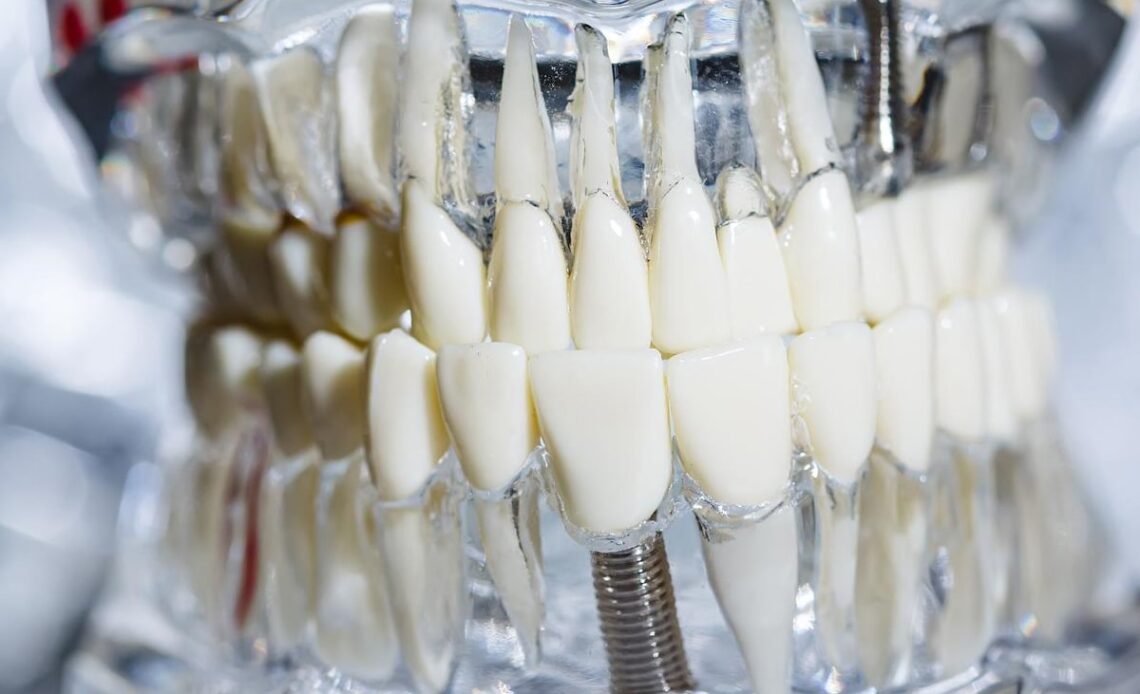
You might be feeling excited about replacing a missing tooth, but uneasy too, because getting the function back is only part of the story. You also want your smile to look like yours. That concern is real, especially when the missing tooth is near the front, where even small changes in gum shape or tooth position can show when you talk, laugh, or smile in photos. The short answer is this: dental implant placement can support a natural, balanced smile line, but only when the implant is positioned with the final look of the tooth and gums in mind, which is why working with a cosmetic dentist in La Jolla can be so important.
That is where many people get stuck. They assume an implant is just placed where the root used to be, and the crown goes on top. In real life, it is more delicate than that. The angle, depth, and side to side position of the implant can affect how the gum rests around the new tooth, how much tooth shows, and whether your smile looks even. When planning is done well, an implant and cosmetic dentist can protect both bite function and appearance.
Why can implant positioning change the way your smile looks?
If your smile line shows a lot of gum tissue, implant placement matters even more. A high smile line tends to reveal details that might stay hidden in a lower smile, including uneven gum margins, dark spaces between teeth, or a crown that looks slightly long or flat. Because of this, you might wonder whether the implant itself really makes that much difference. It does.
The front teeth and the gum around them work together as one visual frame. If an implant is placed too far toward the lip, the gum may thin out or recede. If it is placed too deep or at the wrong angle, the final crown can look bulky or sit in a way that does not match the neighboring teeth. If it is too close to another tooth or implant, the small triangle of gum between teeth may not fill in well, which can create black triangles that catch the eye.
Research has long shown that implant position affects both esthetics and tissue stability. A widely cited review on implant placement in the esthetic zone explains how three dimensional planning is tied to the final look of the soft tissue and crown. Another study discussing smile line and esthetic risk assessment highlights why visible gum display raises the level of planning needed before treatment begins.
What can go wrong if the implant is placed without smile line planning?
This is often the part people do not hear enough about. An implant can be healthy and still not look right. That can be frustrating, especially after investing time, money, and trust into treatment. You may chew well and still avoid smiling fully. For many people, that emotional part matters just as much as function.
Picture a person replacing one upper front tooth. The implant integrates well, the crown is secure, and there is no pain. Yet the gum sits slightly higher than the tooth next to it, or the crown appears longer because the tissue did not hold its shape. In a mirror, that difference may seem small. In a photo, it can feel much bigger.
That is why dental implant smile aesthetics should be discussed early, not after surgery. The best results usually come from planning the restoration first, then placing the implant to support that design. In some cases, bone grafting or soft tissue grafting is advised, not because something is wrong, but because the tissues need support to create a better frame for the final tooth.
A review on soft tissue stability around implants also supports this point. The quality and thickness of the tissue around an implant can shape the esthetic outcome over time, especially in the front of the mouth where changes are easier to see.
How does careful planning improve the smile line around a dental implant?
Good planning starts with the face, lips, and gum display, not only the missing tooth. Your dentist may look at how much of your teeth show at rest, how much gum appears when you smile, the shape of the neighboring teeth, and the thickness of your bone and soft tissue. This helps determine whether the implant should be placed immediately, delayed for healing, or paired with grafting.
So, where does that leave you if you are weighing treatment? It means the goal is not simply placing a titanium post. The goal is creating a result that blends in when you speak, laugh, and live your life. Smile line changes after dental implants are often shaped by planning choices made before the implant is ever placed.
What practical factors should you compare before moving forward?
It helps to look at the issue in a simple side by side way, especially if you are trying to make sense of treatment recommendations.
| Planning Factor | If Carefully Addressed | If Overlooked |
|---|---|---|
| Smile line evaluation | Better match between crown, gum level, and nearby teeth | Uneven gum display may show when smiling |
| 3D implant position | Supports natural crown shape and cleaner emergence from the gum | Crown may look bulky, long, or poorly angled |
| Distance from adjacent teeth | Better chance of preserving gum papilla between teeth | Dark triangles or flat tissue between teeth |
| Bone and soft tissue support | More stable esthetic result over time | Higher risk of recession or tissue collapse |
| Restoration driven planning | Implant is placed to fit the final smile design | Final tooth may need compromise to fit implant position |
What can you do right now to protect your smile line?
Ask to see the esthetic plan. Do not stop at asking whether the implant will work. Ask how the final tooth and gum line will look, especially if the tooth is in the smile zone. Photos, scans, and mockups can help you understand the plan.
Talk openly about your smile habits. If you show a lot of gum when you smile, say so. If you are worried about photos, mention that too. These details are not minor. They guide decisions about placement depth, angulation, and tissue support.
Choose a provider who thinks beyond the implant. A strong result often comes from a restoration first mindset, where the implant, gum, and crown are planned together. That is especially true when you need a front tooth replaced and want the result to blend naturally.
Can you get a natural looking result with implant and cosmetic dentistry?
Yes, in many cases you can, and that is the reassuring part. If you have been worried that replacing a tooth means accepting a smile that looks a little off, that is not the standard you should settle for. With careful planning, a dental implant can support both health and appearance, and your smile line can be respected rather than treated as an afterthought.
If you are considering treatment, ask direct questions, take your time, and make sure the discussion includes both function and esthetics. When implant placement is guided by the shape of your future smile, the result has a much better chance of feeling natural every day.