
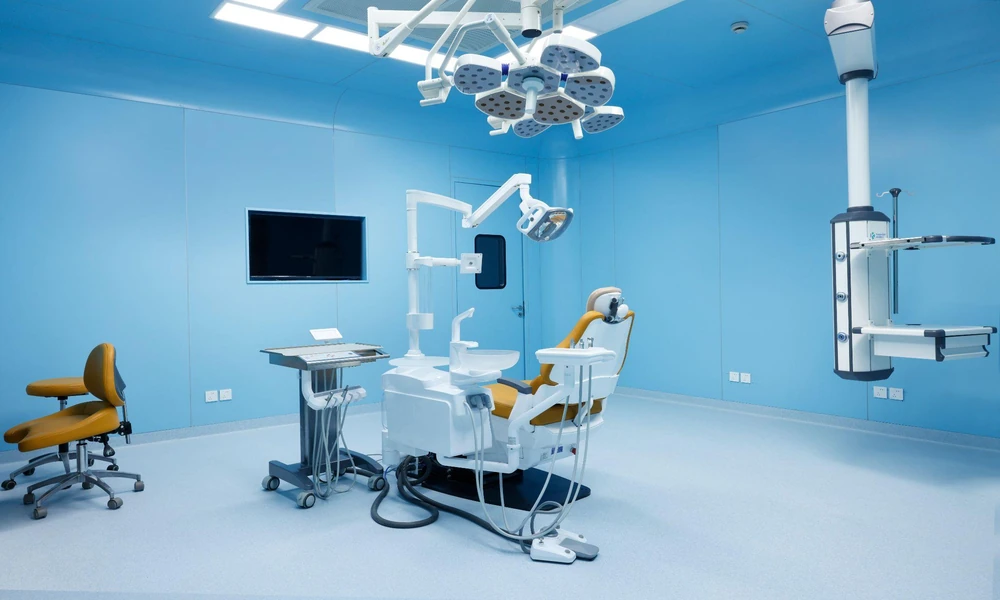
Healthcare providers today face increasing pressure to deliver high-quality patient care while managing rising construction costs, labor shortages, and strict regulatory requirements. Whether expanding surgical capacity or replacing aging operating theatres, hospitals need solutions that balance performance with long-term financial sustainability.
Modular operating rooms have emerged as a cost-effective alternative to traditional construction. By combining prefabricated components, advanced infection control systems, and flexible designs, modular operating rooms help healthcare providers reduce project costs, improve operational efficiency, and achieve a faster return on investment (ROI).
Lower Initial Construction Costs
Traditional operating room construction often involves lengthy civil works, multiple contractors, and unexpected project delays. These factors can significantly increase overall costs.
Modular operating rooms minimize these challenges through factory-manufactured components that are assembled on-site.
Key financial advantages include:
- Reduced on-site labor requirements
- Less material waste
- Shorter construction schedules
- Better project cost predictability
- Lower risk of budget overruns
Because many components are manufactured under controlled factory conditions, hospitals benefit from consistent quality while reducing costly construction errors.
Faster Installation Means Earlier Revenue
Time is one of the most valuable assets for any healthcare facility.
A conventional operating theatre may require several months-or even longer-to complete. During this period, hospitals may lose opportunities to perform additional surgeries and generate revenue.
Modular operating rooms can often be installed much faster, allowing healthcare providers to:
- Begin surgical services sooner
- Reduce facility downtime
- Increase patient throughput
- Meet growing healthcare demand more quickly
Earlier project completion means hospitals can start generating income from surgical procedures sooner, improving overall investment returns.
Reduced Maintenance Expenses
Modern modular operating rooms are designed with durable, hygienic materials that require minimal maintenance.
Features such as:
- Seamless wall panels
- Antibacterial surfaces
- Corrosion-resistant finishes
- Integrated ceiling systems
help reduce long-term maintenance costs while maintaining compliance with healthcare standards.
Unlike conventional construction materials that may require frequent repairs or repainting, modular systems are built for long-term durability, reducing lifecycle expenses.
Improved Energy Efficiency
Energy consumption represents a significant portion of hospital operating costs.
Modular operating rooms often incorporate energy-efficient technologies such as:
- LED surgical lighting
- High-efficiency HVAC systems
- Intelligent environmental controls
- Optimized airflow management
- Well-insulated wall panels
These systems reduce electricity consumption while maintaining precise control of temperature, humidity, and air cleanliness.
Lower utility costs contribute to substantial operational savings over the lifespan of the facility.
Increased Operational Efficiency
An efficiently designed operating room allows medical teams to work more effectively.
Modular layouts optimize workflow by integrating:
- Medical gas systems
- Electrical outlets
- Storage solutions
- Surgical equipment positioning
- Digital integration
Improved workflow can reduce procedure preparation time, minimize staff movement, and shorten turnover between surgeries.
As a result, hospitals may complete more surgical procedures each day without increasing staffing levels, improving both productivity and revenue generation.
Scalability Supports Future Growth
Healthcare demand continues to evolve.
Hospitals may need additional operating theatres due to:
- Population growth
- Expansion of specialty services
- Government healthcare initiatives
- Increased elective surgeries
Modular operating rooms offer exceptional flexibility.
Additional rooms or supporting spaces can often be added with minimal disruption to existing hospital operations. This phased expansion approach allows healthcare providers to invest according to actual demand instead of making large upfront capital expenditures.
Better Infection Control Reduces Financial Risks
Hospital-acquired infections (HAIs) can create significant financial burdens through longer patient stays, additional treatments, and regulatory penalties.
Modular operating rooms are designed with infection prevention in mind through:
- Smooth, easy-to-clean surfaces
- Positive pressure ventilation
- HEPA filtration systems
- Controlled airflow
- Seamless wall and ceiling construction
By helping maintain sterile surgical environments, modular operating rooms support lower infection risks, which can reduce treatment costs and improve overall hospital performance.
Long-Term Return on Investment
Although the initial investment varies depending on project size and equipment requirements, modular operating rooms often provide excellent long-term value.
The combination of:
- Faster installation
- Reduced maintenance
- Lower energy consumption
- Increased surgical capacity
- Flexible expansion
- Improved operational efficiency
creates measurable financial benefits over the life of the facility.
Many healthcare providers find that these operational savings, combined with higher patient throughput, contribute to a stronger return on investment compared with traditional construction methods.