
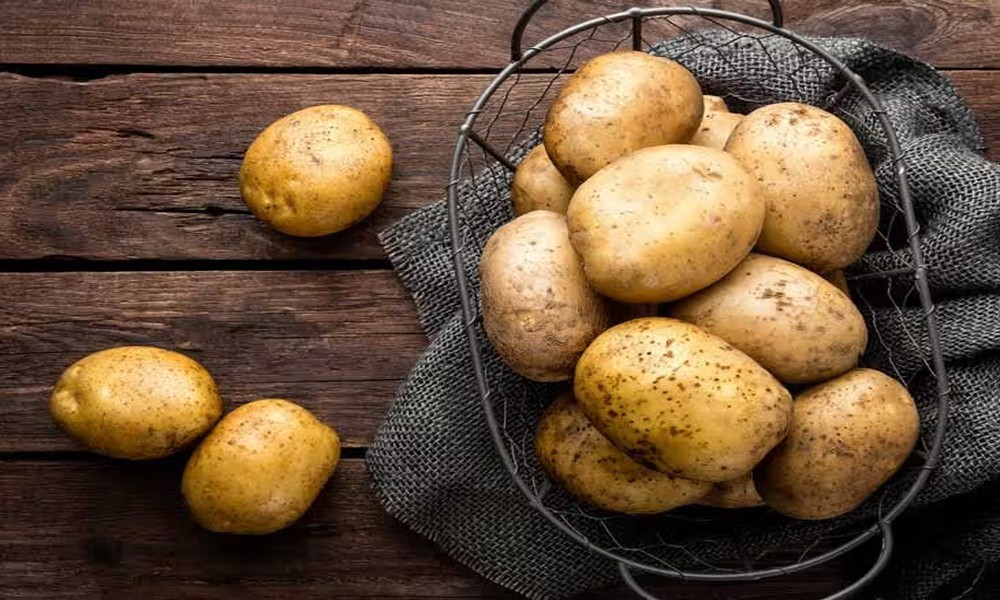
Potatoes are one of the most familiar foods in kitchens around the world, yet their role in healthy eating is often misunderstood. Many people either overvalue or undervalue them based on limited information. When you take a closer look at potato nutrition facts, it becomes clear that they can support everyday healthy eating in practical and effective ways. Making the most of potato nutrients can simplify daily meal planning by offering a dependable way to support energy and overall nourishment without relying on complicated food choices.
A Balanced Source Of Everyday Fuel
Potatoes provide a steady and reliable form of energy that fits well into daily routines. In contrast to quick snacks that offer short bursts of energy, potatoes deliver a more consistent supply that helps sustain normal activities throughout the day.
This makes them a useful addition to meals that need to keep you energized, whether you are working, studying, or managing household tasks. Their natural composition supports a smoother energy flow without relying on heavily processed ingredients.
Supporting Daily Nutrient Needs
Potatoes contribute to meeting everyday nutrient requirements in a simple way. They include essential vitamins and minerals that support vital bodily processes, including sustaining vitality, bolstering the nervous system, and aiding in the body’s recuperation from normal wear and tear.
Including potatoes in regular meals can help fill nutritional gaps without the need for complex meal planning. This makes them especially useful for people who want to maintain a balanced diet without overcomplicating their food choices.
A Practical Choice For Home Cooking
One of the most valuable aspects of potatoes is how easy they are to use in home cooking. They require minimal preparation and can be included in a wide range of dishes.
This simplicity encourages more home-cooked meals, which are generally healthier than relying on packaged or takeaway options. By using potatoes as a base ingredient, it becomes easier to prepare meals that are both satisfying and nourishing.
Supporting Consistency In Eating Habits
Eating healthily involves both what you eat and how often you eat it. Potatoes help support regular meal patterns because they are affordable, easy to store, and widely available.
Having dependable ingredients on hand makes it easier to avoid skipping meals or making last-minute, unhealthy choices. Potatoes provide a stable option that can be included in daily meal planning without added stress.
A Flexible Ingredient For Balanced Plates
Potatoes work well with a variety of foods, making them ideal for building balanced meals. They can be combined with vegetables, proteins, and healthy fats to create dishes that meet different nutritional needs.
This flexibility allows them to fit into different cuisines and personal preferences. Whether used in simple meals or more creative recipes, potatoes help bring balance to the plate without dominating it.
Encouraging Mindful Food Choices
Understanding potato nutrition facts can also encourage more mindful eating. When people recognize the value of whole foods, they are more likely to make thoughtful decisions about how meals are prepared and consumed.
Choosing simple cooking methods and paying attention to portion sizes can enhance the benefits of potatoes. This awareness helps create a more intentional approach to eating rather than relying on convenience alone.
A Reliable Option For Busy Lifestyles
In busy daily schedules, finding foods that are both nutritious and convenient can be challenging. Potatoes offer a solution by being easy to prepare in advance and use across multiple meals.
They are perfect for meal planning because they can be prepared in greater quantities and kept for later. This practicality supports healthier choices even when time is limited.
Moving Toward Sustainable Eating
Potatoes also align well with the idea of sustainable eating. They are widely grown, accessible, and can be used in various ways without significant waste. This makes them a practical option for people looking to make more responsible food choices.
By including potatoes in everyday meals, it is possible to support both personal health and broader food sustainability goals.
Conclusion
Potato nutrition facts show that this simple food can play a meaningful role in everyday healthy eating. They provide reliable energy, essential nutrients, and unmatched versatility, all while being easy to prepare and widely available. By focusing on balanced meals and thoughtful preparation, potatoes can become a dependable part of a healthy lifestyle. Understanding their true value helps shift the focus from misconceptions to practical nutrition that supports daily well-being.