
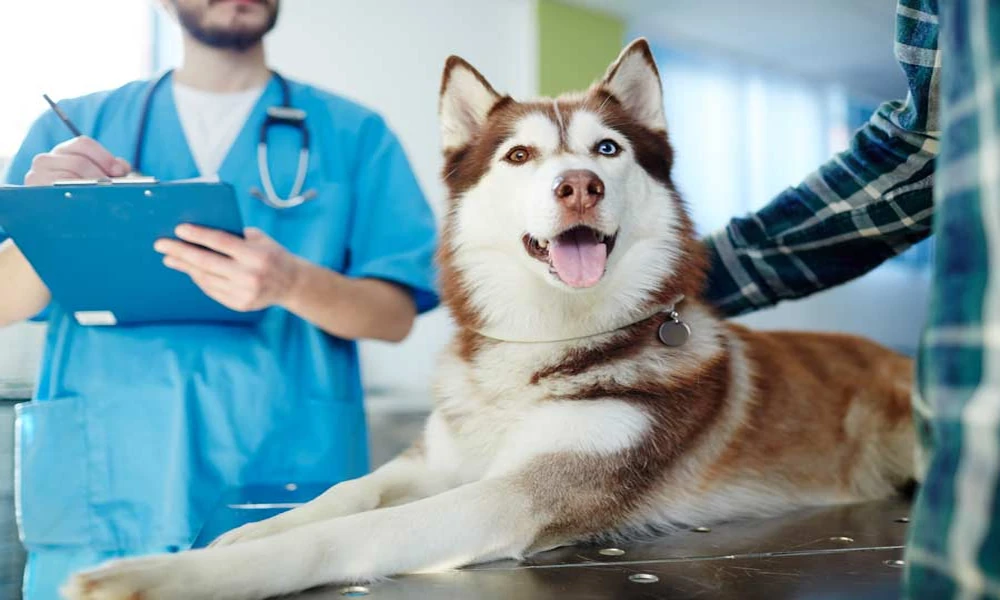
You hand over a lot at a veterinary visit, especially at a veterinary clinic in Woodbridge, ON. Your pet’s symptoms, your contact details, payment information, past records, and sometimes hard family decisions all end up in one file. If that makes you uneasy, that reaction makes sense. A veterinary clinic handles more than vaccines and exam notes. It also holds sensitive information that can affect your trust, your finances, and your pet’s care.
The short version is simple. Good clinics protect records with a mix of staff training, secure software, limited access, clear consent practices, and careful communication. Veterinary clinics protect pet records best when privacy is treated as part of patient care, not as a side task left to the front desk or the software vendor.
Pet medical record privacy depends on daily habits, not just software
Most privacy problems do not start with a dramatic data breach. They start with ordinary moments. A screen is left open at the desk. A reminder text goes to an old phone number. A staff member shares too much in a public area. A printed record sits in the wrong pile. None of that sounds extreme, yet each one can expose private details about you and your pet.
That is why pet medical record privacy is really a systems issue. The clinic needs secure recordkeeping, but it also needs rules people actually follow. Password protection, encrypted cloud platforms, role based access, locked storage for paper files, and verified identity checks before releasing records all matter because they close the small gaps where mistakes happen.
Electronic records can improve care and reduce lost files, though they also create new risks when clinics rely on weak passwords, shared logins, or outdated devices. Research on digital systems in veterinary settings has shown how record management and data governance affect both care quality and privacy standards. You can see that connection in this review of veterinary electronic medical records and data use.
Client privacy in a veterinary clinic reaches beyond the exam room
People often assume privacy only covers the pet’s chart. In practice, client privacy in a veterinary clinic also includes your phone number, address, email, billing details, emergency contacts, and any written consent forms. If your pet has a bite history, reproductive records, travel documents, insurance paperwork, or end of life notes, the file may contain information you would not want discussed casually or sent to the wrong person.
The stress usually shows up when communication gets messy. You may have shared ownership of the pet after a divorce. A relative may bring the pet in, then ask for full records. A boarding facility may request vaccine information. A rescue group may want updates after adoption. The clinic has to balance care coordination with privacy, and that requires clear authorization rules.
Veterinary teams also face pressure from speed. Phones ring, pets need treatment, and clients want answers right away. In that environment, privacy slips when no one slows down long enough to verify who is asking and what they are allowed to receive. Better clinics build that pause into the process.
Veterinary data security works best when staff and policies match
Veterinary data security is not just an IT purchase. It is a chain of decisions. The practice chooses a records platform, sets user permissions, trains staff, reviews vendors, updates devices, and creates a plan for breaches or lost hardware. If one link fails, the rest may not be enough.
Current veterinary literature also points to the need for stronger privacy governance as clinics adopt more digital tools and data sharing practices. This recent publication on data protection and information practices in veterinary contexts reflects the same concern many clients already feel. As clinics collect more information, they need clearer safeguards, not looser ones.
| Privacy Practice | Lower Protection Approach | Stronger Protection Approach |
|---|---|---|
| Record access | Shared staff logins and broad access | Unique logins and role based permissions |
| Client communication | Messages sent without verifying contact details | Regular contact verification and documented consent |
| Paper records | Files left at open desks or printers | Locked storage and controlled handling |
| Record release | Records shared on request without identity checks | Written authorization and identity confirmation |
| Cybersecurity | Outdated devices and weak passwords | Encrypted systems, updates, and multi factor protection |
| Staff training | Informal reminders only | Routine training and incident response protocols |
Small privacy failures can become expensive and personal
A privacy lapse is not just awkward. It can delay treatment, expose payment data, create conflict between co owners, or damage trust at the exact moment you need clear support. If records are inaccurate or released carelessly, another clinic may receive incomplete information. If billing data is exposed, the problem moves beyond the pet’s chart. If sensitive notes are discussed within earshot of others, clients may stop sharing details that matter for care.
That silence has consequences. When people hold back because they do not trust the process, the veterinary clinic loses part of the medical picture. Privacy protection supports better medicine because clients speak more openly when they know their information will be handled with care.
Three steps you can take right away at any veterinary clinic
Ask how records are stored and who can access them. You do not need a technical deep dive. A clear answer should cover whether the clinic uses secure digital records, whether access is limited by staff role, and how paper documents are handled.
Review communication preferences and authorized contacts. Confirm your phone number, email, and who is allowed to receive updates, invoices, and records. If ownership is shared or disputed, say so early. That one step prevents many avoidable problems.
Request a copy of privacy and record release policies. A well run veterinary clinic should be able to explain when records are shared, what consent is required, and how they respond if information is sent in error or a device is lost.
Trust grows when privacy is treated as part of care
You should not have to guess whether your pet’s records and your personal details are being handled responsibly. A careful veterinary clinic protects information the same way it protects treatment quality, with clear systems, trained people, and steady attention to detail. If you are choosing a provider or reviewing the one you already use, ask direct questions and expect direct answers.
When a clinic respects privacy, you feel safer sharing what matters, and your pet benefits from that honesty.