
Surgery has changed dramatically over the last few decades. In the past, many procedures required large incisions, longer hospital stays, and extended recovery periods. Patients often needed weeks or even months before returning to their regular routines. Today, medical advancements have introduced techniques that focus on precision, minimal disruption to the body, and faster healing. One of the most important developments in this area is laparoscopic surgery.
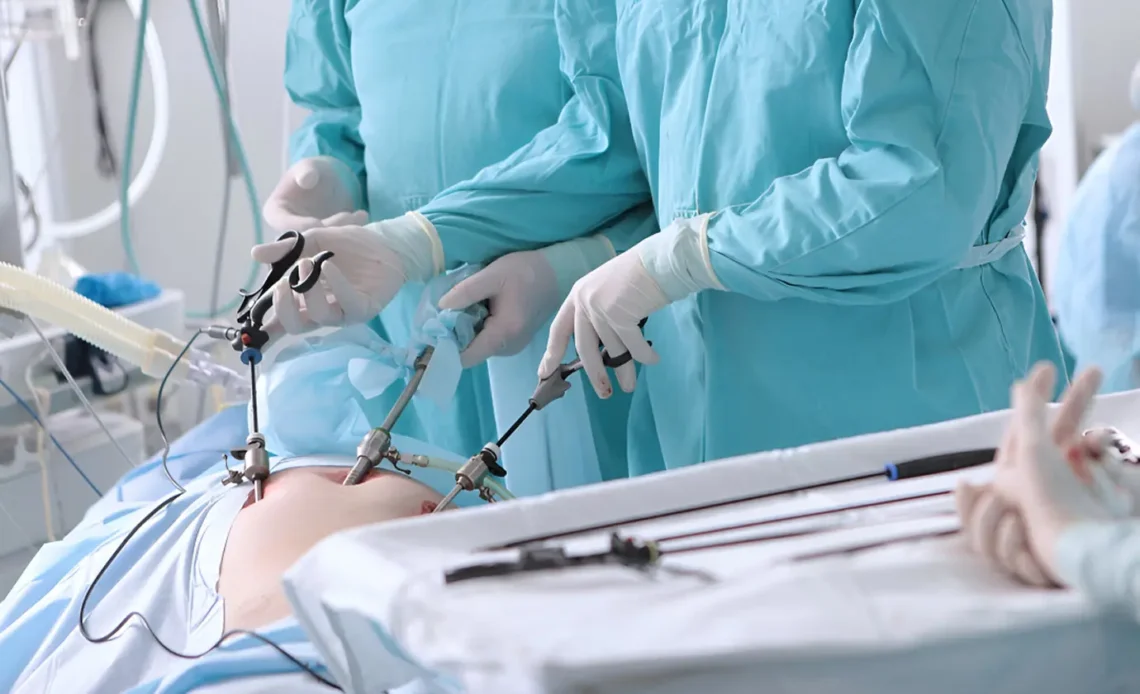
Laparoscopic procedures use small incisions and specialized medical equipment to perform operations that once required open surgery. Surgeons guide tiny cameras and carefully designed laparoscopic instruments through these small openings to view and treat internal organs. This approach allows doctors to work with greater accuracy while causing less trauma to surrounding tissues. As a result, laparoscopic surgery has become a widely preferred method for many types of operations.
Key Takeaways
- Laparoscopic surgery uses small incisions instead of large surgical openings.
- Patients often experience less pain and faster recovery after these procedures.
- Shorter hospital stays are common compared to traditional surgery.
- Advanced technology helps surgeons perform operations with improved precision.
- Many common procedures now use laparoscopic techniques.
A Shift toward Less Invasive Surgical Care
Traditional surgery usually involves making a large incision to access the area that needs treatment. While effective, this method can place considerable stress on the body. Large incisions require more healing time and may increase the risk of infection or complications.
Laparoscopic surgery offers a different approach. Instead of opening a large section of the body, surgeons make several small incisions. A thin tube with a camera, known as a laparoscope, is inserted through one of these openings. The camera sends high-quality images to a monitor, allowing the surgeon to clearly see the surgical area.
Other small instruments are inserted through additional openings to perform the procedure. This technique enables doctors to complete complex surgeries while minimizing damage to surrounding tissues. Because the incisions are smaller, the body can heal more efficiently.
Faster Recovery for Patients
One of the most noticeable benefits of laparoscopic surgery is the speed of recovery. Patients often return to normal activities much sooner than they would after traditional surgery. Smaller incisions generally cause less pain, which reduces the need for strong pain medications during recovery.
Hospital stays are also shorter. Many laparoscopic procedures allow patients to return home within a day or two, and in some cases, the same day. This faster recovery process not only improves patient comfort but also reduces the emotional stress often associated with long hospital stays.
Additionally, smaller surgical wounds typically leave minimal scarring. For many patients, this cosmetic benefit is another reason they prefer laparoscopic procedures.
Precision and Better Surgical Control
Modern surgical technology plays a major role in the effectiveness of laparoscopic procedures. High-definition cameras provide surgeons with a clear and magnified view of the surgical site. This detailed visibility allows doctors to perform delicate tasks with greater control.
The tools used during these procedures are specifically designed to work within small spaces. Carefully engineered laparoscopic instruments enable surgeons to grasp, cut, and repair tissues without needing wide openings in the body. This level of precision helps protect surrounding structures such as nerves and blood vessels.
Because of this improved control, laparoscopic surgery often results in fewer complications and better surgical outcomes.
Common Procedures That Use Laparoscopy
Over time, laparoscopic techniques have expanded into many areas of medicine. Today, doctors use this method for a variety of operations involving the abdomen and pelvic region.
Gallbladder removal is one of the most common laparoscopic procedures. In the past, this surgery required a large incision and several days of hospitalization. With laparoscopic methods, most patients recover quickly and can resume daily activities much sooner.
Other procedures commonly performed using laparoscopy include appendectomies, hernia repairs, and certain gynecological surgeries. As surgical technology continues to advance, more procedures are being adapted to this minimally invasive approach.
Why Surgeons Continue to Adopt This Method
The growing popularity of laparoscopic surgery is not just about patient comfort. It also supports better efficiency within healthcare systems. Shorter hospital stays free up medical resources and allow hospitals to treat more patients effectively.
Surgeons also benefit from improved visualization and modern equipment that enhance their ability to perform complex procedures. With ongoing training and technological innovation, many medical professionals are expanding their skills in minimally invasive surgery.
Research and development in this field continue to refine surgical techniques and improve patient outcomes. New instruments, improved imaging systems, and robotic assistance are further advancing the capabilities of laparoscopic surgery.
Final Thoughts
Laparoscopic procedures have reshaped the way many surgeries are performed. By replacing large incisions with smaller entry points, this technique reduces recovery time, improves patient comfort, and allows surgeons to operate with greater precision.
As medical technology continues to evolve, laparoscopic surgery will likely become even more advanced and widely used. For many patients, it represents a safer, less invasive option that supports faster healing and a quicker return to everyday life.