
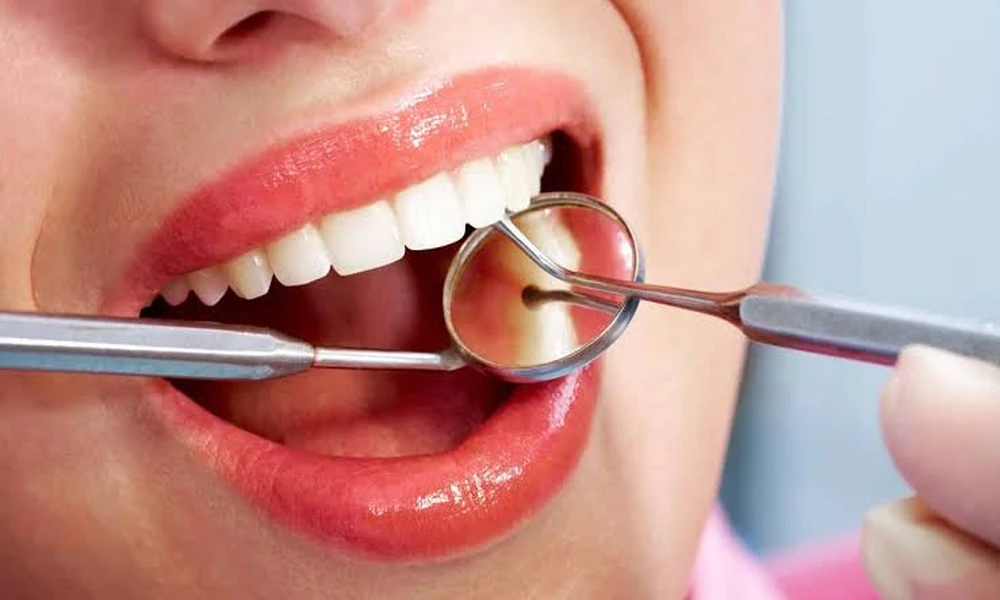
You might be feeling two things at once right now. You want to stay calm for your child, and you also feel a knot in your stomach because the word “filling” sounds bigger than it is. Kids pick up on that fast. If they hear worry in your voice, or words like “drill,” “shot,” or “this won’t hurt,” the visit can start feeling scary before you even leave home. If you need an Emergency pediatric dentist in Fontana, staying calm and using reassuring language can make a big difference.
A first filling visit usually goes better when you keep the explanation simple, honest, and light. Your child does not need every detail. They need to know that the dentist will clean the tooth, fix the spot that has a cavity, and help their mouth stay strong. That is the heart of A Child’s First Filling: Explaining the Visit Without Scary Language. Calm words lower stress, and lower stress often means a smoother appointment.
Children react to your words before they react to the pediatric dentist
Most children are not afraid of a filling because they understand dental treatment. They are afraid of the unknown, and they often borrow fear from the adults around them. A parent says, “Don’t be scared,” and the child hears, “There is something to be scared of.” A parent says, “It’s just a tiny pinch,” and the child starts waiting for pain.
That is why a gentler script helps. You can say, “The dentist is going to clean your tooth and put on a strong fixing material.” You can say, “You may feel your mouth getting sleepy so your tooth can be worked on.” Those phrases are honest, and they do not load the moment with fear.
When parents want more background, the National Institute of Dental and Craniofacial Research offers a clear overview of dental fillings, including why they are used and what they do. That knowledge can help you sound steady instead of uncertain.
Simple language makes a child’s first cavity filling easier to handle
Children do best with short explanations. Long build-up can make the appointment seem huge. If your child asks, “What happens there?” give a plain answer. “The dentist will count your teeth, look at the one that needs help, and fix it.” If your child asks whether it will hurt, avoid promises. A better answer is, “The dentist will help keep you comfortable, and I’ll be with you.”
You may also be dealing with guilt. Many parents feel it when they hear their child needs a filling. Cavities happen for a lot of reasons, including tooth shape, bacteria, snacks, drinks, brushing habits, and plain old kid life. Shame does not help your child. Calm preparation does.
If your child has never had dental work before, it helps to practice the rhythm of the visit at home. Sit in a chair, have them open wide, count teeth with a toothbrush, and ask them to keep their hands on their tummy for ten seconds. That small rehearsal turns an unfamiliar experience into something they can picture.
For more general prep ideas, this guide on how to prepare for your child’s first dental appointment has practical tips that also work well before a filling visit.
The words to avoid can matter as much as the words you choose
Parents often mean well and still make the visit harder. Bribing a child with “If you do this, I’ll buy you a toy” can signal that something bad is coming. Graphic detail can do the same. So can surprise. Telling a child nothing until they are in the parking lot may prevent overthinking, but some children feel more upset when they sense they were left out.
A better middle ground is brief notice and calm repetition. The night before or the morning of the visit is often enough for younger children. Older children may want a little more time and a little more detail.
| Phrase Style | What to Say | What to Avoid |
|---|---|---|
| Describing the visit | “The dentist is going to fix your tooth.” | “They have to drill out the cavity.” |
| Talking about numbing | “Your mouth may feel sleepy for a while.” | “You’re getting a shot.” |
| Addressing comfort | “If something feels strange, you can raise your hand.” | “It won’t hurt at all.” |
| Setting expectations | “You’ll open wide and hold still like a statue.” | “This will be over fast, don’t freak out.” |
| After the visit | “Your tooth is fixed and healing.” | “See, that wasn’t so bad after all.” |
Explaining a dental filling to a child works best when the plan feels familiar
Children usually cope better when they know what their job is. Their job is not to be brave in some big dramatic way. Their job is to sit back, open wide, listen, and use a hand signal if they need a break. That gives them control without making them responsible for the whole event.
If you are choosing care, a pediatric clinic can also make a difference because the setting, language, and pace are built for children. The Lincoln Pediatric Dental Clinic shows the kind of child-focused environment many families look for when planning a first treatment visit.
Preparing for a child’s dental filling starts with three practical steps
1. Use one calm script and repeat it.
Pick two or three short phrases and stick with them. “The dentist will fix your tooth.” “Your mouth may feel sleepy.” “I’ll be there with you.” Repeating the same language helps your child feel secure.
2. Practice the behavior, not the fear.
Do a one minute pretend visit at home. Recline in a chair, open wide, count teeth, and practice still hands. This builds familiarity without turning the filling into a major event.
3. Plan for aftercare before the appointment.
Have water ready, choose a soft meal, and know that numbness can feel odd for a child. Remind them not to chew their lip or cheek while their mouth is still sleepy. A smooth ride home often starts with simple planning.
Your child does not need a perfect speech from you. They need a steady one. If you keep the explanation clear, skip scary language, and focus on what your child can expect, the first filling visit often feels much more manageable than you feared. A pediatric dentist can guide both of you through it with the kind of language and pacing children respond to best.