
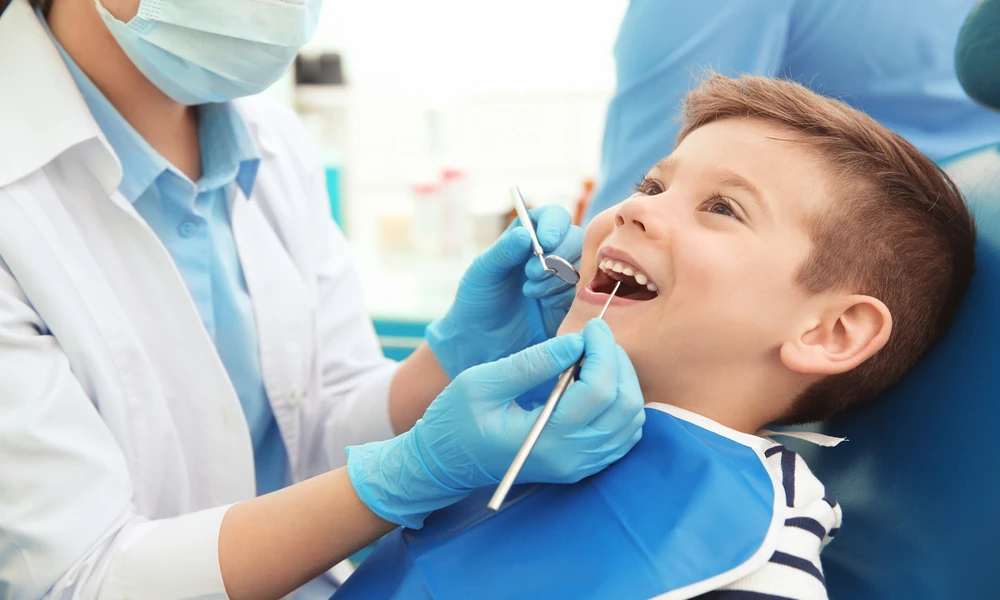
You brush, remind your kids to brush, buy the floss, and still wonder if it is enough. That feeling is common, especially when one child has deep grooves in their molars, another hates the taste of toothpaste, and someone always seems to have a snack in hand. Family dental care can feel like a moving target because every age brings a different risk, and visiting a dentist on Harbourfront Toronto can help you stay ahead of those changing needs.
The core issue is simple. Cavities and gum problems usually build slowly, then show up all at once as pain, missed school, missed work, and a bill you did not plan for. Preventive care lowers those odds. The short version is this: the 6 preventive dental treatments for families that matter most are exams, cleanings, fluoride, sealants, X-rays when needed, and custom guidance for habits like mouthguards, diet, and home care.
Preventive dental care works best before symptoms start
Most families do not ignore dental health. Life just gets crowded. A busy week turns into a delayed cleaning, a baby tooth looks harmless, a little bleeding during brushing seems minor. Then a small issue grows. Early prevention costs less, hurts less, and usually takes less time than repair.
That is why a general dentist looks for more than cavities. Gum inflammation, enamel wear, bite problems, crowding, dry mouth, and grinding often start quietly. In children, prevention also protects developing teeth that are harder to clean well. The best preventive dentist treatments for kids and adults are not flashy. They are steady, practical steps that stop damage before it gets expensive.
Dental exams catch small changes before they become treatment plans
Routine exams are the foundation. During an exam, a dentist checks teeth, gums, bite, soft tissues, and signs of wear or infection. That matters because pain is a late signal. A cavity can grow for months before anyone feels it.
For families, the value is often in what gets spotted early. A child may need sealants before decay starts in back molars. A teen may be clenching at night. A parent may have gum recession from brushing too hard. These are the kinds of issues that stay manageable when found early and become larger problems when they are not.
Professional cleanings remove buildup brushing leaves behind
Even careful brushers miss areas, especially near the gumline and around back teeth. Plaque hardens into tartar, and once that happens, a toothbrush will not remove it. Professional cleanings clear away buildup, reduce surface stains, and give the dental team a closer look at areas that are easy to miss at home.
This is one of the most useful forms of family preventive dentistry because it helps every age group. Young children learn that dental visits can be routine, not scary. Adults get support in preventing gum disease, which often starts with mild bleeding and swelling that people brush off until it worsens.
Fluoride treatments strengthen enamel and lower cavity risk
Fluoride helps teeth resist acid attacks from bacteria and sugar. It can also help reverse very early enamel damage before it becomes a full cavity. That is why dentists often recommend in office fluoride treatments for children and, in some cases, for adults with higher cavity risk.
The American Academy of Pediatric Dentistry supports fluoride use as part of cavity prevention. Their guidance on the use of fluoride explains how it helps protect developing and permanent teeth. Parents who worry about “doing too much” often feel better once they understand that fluoride is a targeted, evidence based preventive step, not an extra add on with no purpose.
Dental sealants protect the teeth that get cavities most often
Sealants are thin coatings placed on the chewing surfaces of back teeth. Those teeth have grooves that trap food and bacteria, and kids often cannot clean them well enough on their own. Sealants create a smoother surface that is easier to keep clean.
The CDC explains the value of dental sealants clearly. They can prevent many cavities in permanent molars, which is a big deal because those teeth need to last for decades. If you have a child whose new molars have come in and you are already seeing food packed into the grooves, sealants are often one of the smartest preventive moves available.
Dental X-rays and risk based monitoring help dentists see what eyes cannot
X-rays are not needed at every visit for every person, but they are a key preventive tool when used based on age, history, and risk. They can reveal decay between teeth, problems below the gumline, changes in developing teeth, bone loss, and infections that do not show clearly during a visual exam.
This matters in families because risk is not the same for everyone. One child may have no decay history and need less frequent imaging. Another may have tight contacts between teeth and repeated cavities. A parent with old fillings may need closer monitoring because decay often forms around worn dental work.
Habit based prevention fills the gaps between appointments
Some of the most effective prevention is personal. A custom mouthguard for sports can prevent broken teeth. Nightguards can protect against grinding in the right cases. Diet coaching can cut down on constant snacking and sugary drinks that keep teeth under acid attack all day. Home care coaching helps families choose the right toothbrush, floss tools, and fluoride toothpaste for each age.
The CDC shares practical oral health tips for children that support what many dentists recommend at home. The goal is not perfection. It is making daily care easier to repeat.
Comparing preventive treatments by purpose and timing
| Treatment | Main Benefit | Best Timing | Who Often Benefits Most |
|---|---|---|---|
| Dental exam | Finds early decay, gum issues, bite concerns | Regular checkups | All family members |
| Professional cleaning | Removes tartar and plaque buildup | Regular hygiene visits | Kids, teens, adults, especially gum disease risk |
| Fluoride treatment | Strengthens enamel and lowers cavity risk | After cleaning or during routine visits | Children, cavity prone adults |
| Sealants | Protects deep grooves in molars | When permanent molars erupt | School age children and teens |
| X-rays | Shows hidden decay and bone changes | Based on risk and history | Patients with tight contacts, past decay, old fillings |
| Mouthguards and home care coaching | Prevents injury and improves daily habits | As needed | Athletes, grinders, families needing routine support |
Three steps you can take right away
Book overdue preventive visits. If someone in your family is behind on exams or cleanings, start there. Prevention works best on a schedule, not after pain starts.
Ask about cavity risk, not just cavities. Two children in the same house can have very different risk levels. Ask whether fluoride, sealants, or closer monitoring makes sense for each person.
Fix one home habit this week. Switch to a fluoride toothpaste, cut juice between meals, add floss picks for a child who struggles with string floss, or get a sports mouthguard fitted. One repeatable change beats a long list no one follows.
Consistent prevention gives families fewer surprises
Dental prevention is not about chasing perfect routines. It is about reducing the chances of pain, urgent visits, and treatment your family did not need to have. A trusted general dentist can help you decide which preventive steps fit each person’s age, habits, and risk level, then keep the plan simple enough to maintain.
If your family is due for preventive care, schedule a visit with a general dentist and build a plan that protects everyone’s smile before small problems turn into bigger ones.