
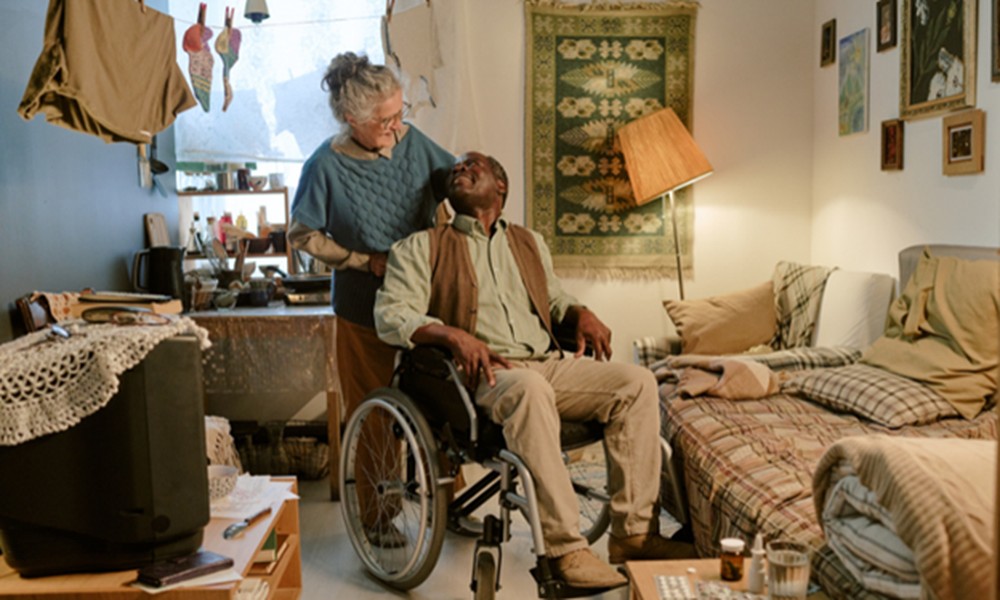
Supporting a veteran at home can be deeply meaningful-but it can also be relentless. Many family caregivers find themselves managing medication routines, meals, mobility support, transportation, paperwork, and emotional reassurance, all while juggling their own work and family responsibilities. Burnout doesn’t usually arrive as one dramatic moment. It builds quietly: disrupted sleep, irritability, guilt, isolation, and the sense that you’re “always on.”
The good news is that burnout is not a personal failure-it’s a predictable outcome of doing too much, too long, with too little support. Below are eight practical ways to protect your energy while still showing up for your loved one with consistency and care.
1) Treat caregiving like a system-not a heroic effort
Most families start with good intentions and an informal approach: “I’ll just do what’s needed.” Over time, that becomes unsustainable. Instead, build a basic care system:
- A simple weekly schedule (meals, meds, appointments, laundry)
- A shared notes system (phone notes, notebook on the counter)
- A single list of contacts (doctors, pharmacy, VA resources, emergency numbers)
- A predictable routine for mornings and evenings
When caregiving becomes a system, it stops relying solely on your memory, stamina, and improvisation.
2) Name your “high strain” tasks and offload them first
Not every caregiving task drains you the same way. Burnout prevention improves fast when you identify the top three strain points. Common examples include:
- Bathing and toileting assistance
- Nighttime supervision and disrupted sleep
- Transfers and mobility support (especially stairs)
- Driving to multiple appointments
- Medication schedules and refills
Once you identify the hardest tasks, you can target support instead of trying to “get a break” in a vague way. Even a few hours of coverage aimed at the most exhausting tasks can change your whole week.
3) Schedule respite before you “need” it
Respite is often treated like a last resort, but it works best when it’s planned. If you wait until you’re already depleted, even a day off may not feel like recovery. Instead, build a recurring respite pattern-weekly or biweekly.
This could mean:
- A set afternoon each week where someone else is present
- A consistent evening block so you can sleep uninterrupted
- Coverage during your work hours so you’re not multitasking caregiving and meetings
Think of it like preventive maintenance, not an emergency fix.
4) Set boundaries that protect your sleep (even if everything else is flexible)
Sleep loss is the fastest route to burnout. If nighttime caregiving is part of your situation-frequent bathroom trips, wandering risk, anxiety, pain flare-ups-you need a plan that prioritizes rest.
Practical options:
- Rotate nights with another family member (even if it’s only weekends)
- Use technology for safety monitoring when appropriate
- Arrange occasional overnight coverage so you can reset
- Move high-risk items (clutter, rugs, cords) to reduce nighttime fall risk
Even two nights of better sleep per week can improve your mood, patience, and decision-making dramatically.
5) Use community and VA-connected supports (you don’t have to do it alone)
Many families don’t realize how many support layers exist for veterans and caregivers. Beyond clinical care, there may be resources for caregiver coaching, support groups, adult day programs, respite options, and care coordination. A caregiver support group can also reduce isolation and help you learn from people who truly “get it.”
If you’re coordinating help, a veteran care agency can sometimes assist with organizing in-home support, identifying gaps, and building a more sustainable schedule-especially during transitions after hospitalization or when care needs increase.
6) Create a “two-person rule” for physically risky tasks
Caregiving becomes dangerous when you’re lifting, transferring, or catching someone during a fall. If your loved one requires significant mobility assistance, protect yourself with a simple rule:
If it involves lifting, pivoting, stairs, or unpredictable balance-don’t do it alone.
Instead:
- Use proper mobility aids (walker, gait belt if trained, grab bars)
- Ask for training from a clinician or PT when available
- Arrange help for transfers that feel unsafe
- Reconfigure the home setup to reduce risky movements (sleeping area, bathroom access)
An injured caregiver helps no one-and injuries are one of the most common reasons home care plans collapse.
7) Stop doing everything “in real time”-batch tasks and automate where possible
Caregiving feels overwhelming when every task is urgent. Shift to batching and automation:
- Set one “admin hour” weekly for refills, scheduling, paperwork
- Use automatic prescription refills or pharmacy delivery when available
- Keep a running list of questions for appointments so you’re not scrambling
- Make duplicate sets of essentials (charger, toiletries, snacks) in the main living area
You’re reducing the constant mental load, which is often more exhausting than the physical work.
8) Replace guilt with a measurable definition of “enough”
Many caregivers burn out because their internal standard is impossible: “I should be able to handle this.” Try defining “enough” with practical metrics:
- Safety is maintained (no avoidable high-risk gaps)
- Hygiene and nutrition are stable
- Medications are taken correctly
- You can sleep, work, and function without chronic crisis mode
- Your relationship stays human-not just task-driven
Support is not a betrayal of independence. It’s what keeps the home environment stable and keeps you healthy enough to continue.
Caring for a veteran also means caring for the caregiver
Burnout prevention isn’t selfish-it’s strategic. When caregivers are supported, veterans experience more consistency, fewer crises, and a calmer home life. Start small: pick two strategies from this list, implement them this week, and build from there. Sustainable care is rarely about doing more. It’s about doing it smarter, with backup, and with boundaries that protect you for the long haul.