
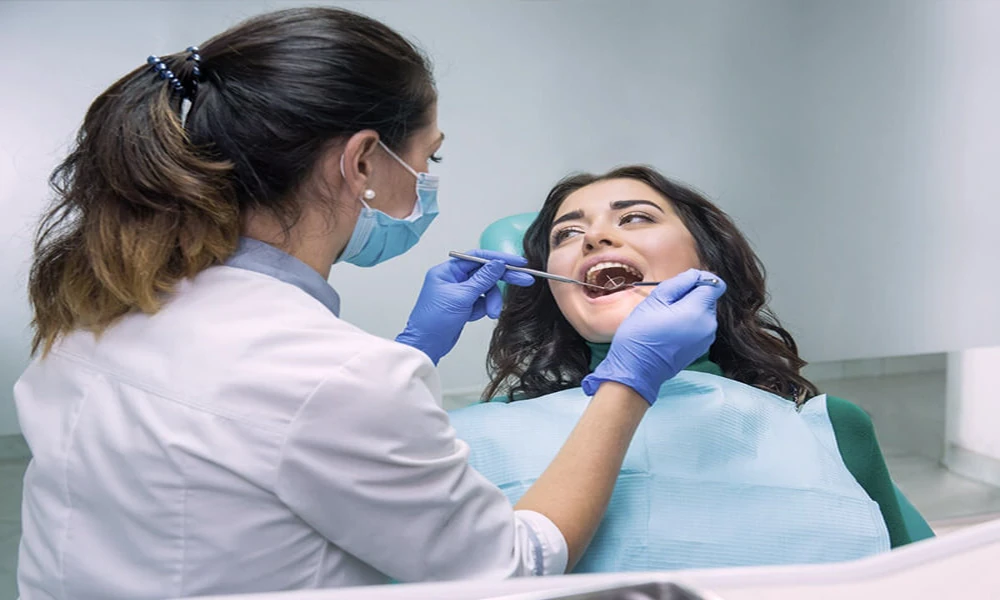
You finally see the mockup of your new smile, and instead of feeling only excited, you may feel stuck. The teeth look whiter, straighter, fuller, maybe a little too perfect. You are being asked to approve something that affects your face, your money, and your confidence. That pressure is real. A digital smile preview can be helpful, but it is still a planning tool, not a guarantee. Before you say yes, you need to know what the image shows, what it leaves out, and whether the plan fits your mouth in real life with guidance from a dentist in Century City.
6 Questions To Ask Before Approving A Digital Smile Preview comes down to one idea. Do not approve the picture until you understand the treatment behind it. A polished image can hide hard truths about tooth reduction, bite changes, gum shape, long term maintenance, and limits set by your anatomy. The right cosmetic dentist should be able to walk you through all of that clearly.
A digital smile design is only useful when it matches clinical reality
A smile preview often looks clean and convincing because it is built to communicate possibilities. That can be reassuring if you have spent years hiding your teeth in photos or covering your mouth when you laugh. It can also create false confidence when the preview is based more on ideal proportions than on your actual bite, enamel thickness, gum position, or jaw structure.
This is where many people get tripped up. They approve the design because they like the look, then learn later that getting there may require veneers on more teeth than expected, gum contouring, orthodontics first, or changes that cannot be reversed. Questions to ask before approving a smile mockup should always include what must happen biologically, not just visually.
Research on digital smile planning shows clear value for communication and case acceptance, but it also points out a limit patients deserve to hear plainly. A digital design does not replace a full clinical exam, functional analysis, and records. You can read more in this review of digital smile design in restorative dentistry.
The six questions that protect you from approving the wrong cosmetic dental plan
1. Is this preview based on my actual bite and facial movement, or just a photo?
A static image can miss a lot. Teeth that look balanced in one posed photo may appear bulky when you speak, uneven when you smile naturally, or uncomfortable once your bite closes. Ask whether the preview was created using photos alone, scans, video, bite records, or a wax up and mockup. The more complete the records, the more reliable the plan tends to be.
2. What treatment is required to make this preview real?
This question saves people from expensive surprises. Ask whether the result depends on whitening, bonding, veneers, crowns, aligners, gum reshaping, implants, or a mix of treatments. Then ask which steps are optional and which are necessary. If a cosmetic dentist shows a broad, ideal smile but needs to reshape healthy teeth to get there, you should hear that before approval, not after.
3. How much of my natural tooth structure will be changed?
This matters more than many people realize. Some cosmetic treatments are additive and conservative, such as certain bonding cases. Others require permanent enamel removal. Once enamel is reduced, that decision stays with you. If the preview depends on irreversible treatment, ask how much reduction is expected and whether there is a less aggressive option.
4. Does this design account for my gums, lips, and face shape?
Great cosmetic dentistry is not about making every tooth larger and brighter. It is about proportion. A preview should reflect how your teeth relate to your lips at rest, how much gum shows when you smile, and whether the tooth shapes fit your face. A design that ignores soft tissue can look unnatural even if the teeth themselves seem attractive.
5. What are the limits of the preview, and what could look different in the final result?
You want honesty here. Materials reflect light differently than edited images. Gum healing can alter the final look. Bite adjustments may change edges and contours. Temporary restorations may also reveal that a design looked good on screen but feels wrong in your mouth. A trustworthy provider will explain what is predictable and what still involves judgment.
6. What records or imaging support this plan?
Some cases need more than photos and impressions. If your bite is complex, if implants are involved, or if jaw position matters, your dentist may recommend 3D imaging. The FDA explains that dental cone beam CT can be useful in selected cases, while also making clear that imaging should be justified and not used routinely without reason. That balance matters. More technology is not always better, but the right records can prevent major planning mistakes.
A cosmetic smile preview should balance aesthetics, function, and long term maintenance
Plenty of smile plans fail for reasons that have nothing to do with color or symmetry. If your front teeth look great but chip because your bite was ignored, the preview did not serve you. If your veneers are too long for your speech pattern, you will notice it every day. If the plan gives you a beautiful result that is hard to clean, gum inflammation may follow.
Current literature on digital workflows in esthetic dentistry keeps coming back to the same point. Better planning tools improve communication, but successful treatment still depends on diagnosis, function, and execution. This clinical review on digital workflows and esthetic treatment planning is worth reading if you want a clearer sense of where previews help and where they can mislead.
Key comparison points before approving a digital smile simulation
| What to Compare | Low Clarity Plan | High Clarity Plan |
|---|---|---|
| Records used | Single photo or basic scan only | Photos, scans, bite records, facial analysis, sometimes video |
| Treatment explanation | Focus stays on appearance | Explains procedures, timing, cost, and irreversible steps |
| Function review | Little discussion of bite or speech | Bite, wear patterns, speech, and chewing are reviewed |
| Expectation setting | Preview presented like a promise | Preview presented as a guide with known limits |
| Maintenance planning | Little mention of repairs or hygiene | Covers lifespan, cleaning, retouching, and follow up needs |
The next steps before you approve any digital smile design
Ask to see the treatment roadmap. Get the sequence in writing. You should know what happens first, what is permanent, how long it takes, and what the total fee includes.
Request a trial smile or temporary mockup if possible. A chairside mockup or provisional version can tell you more than a screen image. You can see how the shape feels when you talk and smile naturally.
Get clarity on alternatives. Ask what a more conservative plan would look like. In many cases, a strong digital smile preview should include discussion of bonding, whitening, or orthodontic options before moving to more aggressive cosmetic dentistry.
Confidence comes from clarity, not from a perfect rendering
The best smile preview approval tips are simple. Slow down, ask direct questions, and make sure the design respects your teeth, your bite, and your long term comfort. A beautiful image is easy to approve when you are eager for change. A sound plan is what protects you after the excitement wears off. If you are considering treatment with a cosmetic dentist, ask for answers you can actually understand before you move forward.