
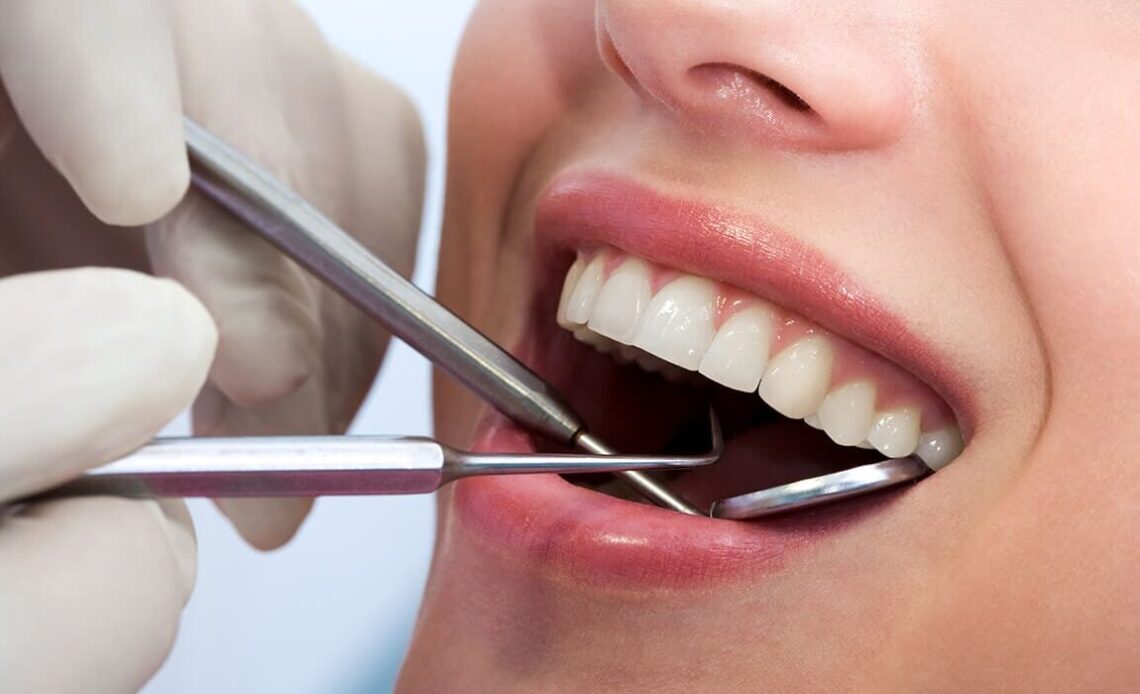
You might think of a dental visit as one more thing on a busy calendar, something you squeeze in when a tooth hurts or a cleaning is overdue. That is understandable. When life gets full, routine care can feel easy to postpone. But the before and after can look very different. Before a checkup, a small sore, gum bleeding, or dry mouth may seem harmless. After an exam, those same signs can point to a problem worth catching early. That is why why general dentistry plays a vital role in early disease detection matters so much, especially when visiting a dentist in Jackson, OH. A general dentist is often one of the first health professionals to spot warning signs of issues that reach far beyond your teeth.
Your mouth does not work in isolation. It reflects what is happening in the rest of your body, and that can be unsettling to hear. At the same time, it can also be reassuring, because regular dental visits create more chances to notice changes early, ask questions, and act before a small issue becomes a larger one.
Why can a general dentist notice health problems before you do?
A lot can change inside your mouth without causing pain right away. Gum inflammation, tissue changes, loose teeth, chronic bad breath, dry mouth, and sores that do not heal can all show up quietly. Because a general dentist looks at these tissues on a routine basis, patterns become easier to spot. That matters, because many diseases leave early clues in the mouth.
The connection between oral health and overall health is well established. The National Institute of Dental and Craniofacial Research explains the link between a healthy mouth and a healthy body, showing how oral conditions can relate to broader health concerns. So, where does that leave you? It means a regular exam is not only about cavities. It is also a checkpoint for your general well being.
Think about a simple example. You notice your gums bleed when you brush, but you assume you are brushing too hard. A dentist may see signs of gum disease, yes, but they may also ask whether you have changes in thirst, healing, or blood sugar control. That question can open the door to a larger medical conversation.
How does early disease detection in dental care help with conditions like diabetes and oral cancer?
Some of the most important warning signs seen in a dental office relate to diabetes and oral cancer. Diabetes can affect gum health, healing, and infection risk. At the same time, gum disease can make blood sugar harder to manage. The CDC outlines the close link between diabetes and oral health, which is one reason routine exams matter so much if symptoms seem off or if you already have a diagnosis.
Oral cancer is another area where timing matters. A sore, red patch, white patch, or lump may not seem urgent at first, especially if it does not hurt. But waiting can be costly. The National Cancer Institute describes how oral cancer screening helps identify suspicious changes that need closer review. When these signs are found sooner, treatment decisions are often clearer and outcomes can improve.
This is one reason the role of general dentistry in disease detection goes beyond clean teeth. A general dentist may be the first person to see a pattern that needs follow up, whether that means closer monitoring, a biopsy referral, or a conversation with your physician.
What is the cost of waiting when symptoms seem minor?
It is easy to hope that a small problem will pass. Many people do. But delay can turn a manageable issue into something more painful, more expensive, and harder to treat. A cavity that could have needed a filling may progress to an infection. Mild gum inflammation can move toward bone loss. A tissue change that could have been checked quickly may stay unnoticed for months.
There is also the emotional cost. Uncertainty tends to grow in silence. When you avoid an exam, you are often left guessing. Is that sensitivity normal? Is that sore healing? Is the bleeding just temporary? A routine visit can replace guesswork with information, and that alone can bring relief.
What does a general dentist actually look for during a routine visit?
A standard exam can reveal more than many people expect. Your dentist may check your teeth, gums, tongue, cheeks, bite, jaw, saliva flow, and any visible tissue changes. They may also review health history, medications, and habits such as tobacco use. This broader view is part of why general dental care and early diagnosis can be so valuable.
| What may seem minor to you | What a general dentist may consider | Why early action matters |
|---|---|---|
| Bleeding gums | Gingivitis, gum disease, blood sugar concerns | Can reduce tissue damage and support better overall health |
| Dry mouth | Medication side effects, higher cavity risk, health conditions | Can prevent decay, discomfort, and missed medical clues |
| Sore that does not heal | Irritation, infection, or suspicious tissue change | Can speed up referral and testing if needed |
| Loose teeth | Advanced gum disease, bite issues, bone loss | Can preserve teeth and limit more involved treatment |
What can you do right now if you want to catch problems earlier?
1. Pay attention to changes that last.
If you notice bleeding, swelling, dry mouth, pain, bad breath, or a sore that does not heal, do not brush it off. One odd day may be nothing. A repeated or lasting change deserves attention.
2. Keep routine dental visits on the calendar.
Even if your mouth feels fine, regular exams create a record of what is normal for you. That makes it easier to spot what is not. This is one of the clearest strengths of a general dentist. Familiarity helps with early recognition.
3. Share your full health picture.
Tell your dentist about new medications, diagnoses, symptoms, or lifestyle changes. Mouth and body health affect each other in both directions. The more context your dentist has, the more useful your exam becomes.
Why does general dentistry matter so much when nothing feels wrong?
Because that is often when early detection has the most value. By the time pain shows up, a condition may already be more advanced. A general dentist helps bridge the gap between what you feel and what is quietly developing. That kind of preventive care is not about fear. It is about giving yourself a better chance to act early, spend less, and protect both oral and overall health.
If it has been a while since your last visit, this may be a good time to schedule one. A routine exam can do more than clean your teeth. It can help you catch concerns sooner, ask better questions, and move forward with more peace of mind.