
Key Takeaways
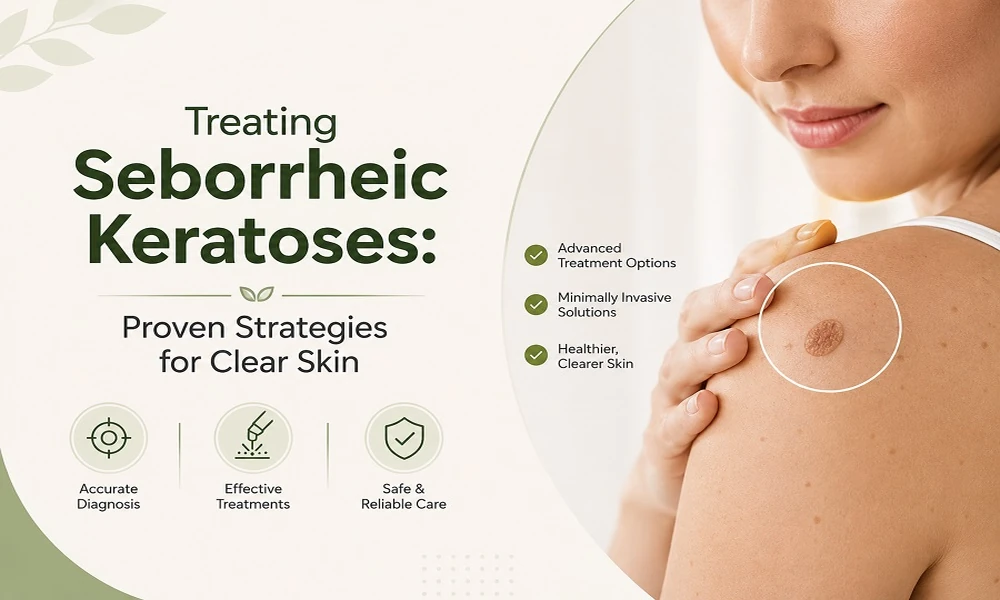
Professionals describe seborrheic keratoses as benign growths that come in various sizes, shapes, and colors, often having a waxy appearance similar to moles or warts. These growths can appear on multiple areas of the skin, with common locations being the face, chest, shoulders, and back.
Although generally non-painful, seborrheic keratoses can become itchy or irritated. If any significant changes in size or color occur, it’s wise to consult a healthcare provider.
Topical treatments, such as over-the-counter options that include alpha hydroxy acids and prescription retinoids, can enhance the appearance of seborrheic keratoses while helping to deter new growths.
Minimally invasive procedures, including cryotherapy, curettage, and laser treatments, provide effective and immediate solutions for removing seborrheic keratoses, improving skin appearance, and boosting confidence.
Regular visits to a dermatologist, using quality moisturizers, and sticking to a straightforward skincare routine are essential for long-term management and prevention of these growths.
A balanced diet rich in antioxidants, staying hydrated, and engaging in regular physical activity can improve overall skin health, possibly helping to prevent skin abnormalities.
It’s crucial to apply broad-spectrum sunscreen with SPF 30 or higher daily to protect against skin conditions, including seborrheic keratoses, by blocking harmful UV rays.
Identifying Seborrheic Keratoses: Distinguishing Features and Symptoms
What Do Seborrheic Keratoses Look Like?
Experts identify seborrheic keratoses as non-cancerous growths that can vary significantly in size and shape. Most of these growths feature a waxy, scaly texture resembling a stuck-on mole or wart, exhibiting colors that range from light tan to dark brown or even black. Some may feel slightly elevated, whereas others seem flat against the skin. Interestingly, despite the wide variety in appearance, they generally possess a characteristic look that facilitates identification.
Typically, these growths appear on the face, chest, shoulders, or back, yet they can surface on almost any skin area. Many individuals may develop multiple seborrheic keratoses, which can be troubling due to their visibility.
Common Symptoms That Might Surprise You
While most people tend to link seborrheic keratoses strictly with their appearance, the symptoms encompass more than just visual traits. Occasionally, these growths can itch or irritate, particularly if they rub against clothing or other skin areas. Although pain isn’t usually linked to them, any changes in appearance-like sudden growth or alterations in color-should raise concerns, prompting a visit to a healthcare provider.
Clients often share feelings of self-consciousness regarding these growths. It’s not solely about aesthetics; it’s the effect on one’s confidence that matters. Skin conditions have the potential to influence social interactions significantly. The emotional repercussions are every bit as relevant as the physical ones.
When to Seek Professional Diagnosis
Knowing when to seek professional advice can play a key role in effective treatment. It’s recommended to contact a medical professional if a seborrheic keratosis:
- Experiences sudden changes in size or color
- Begins to bleed or crust over
- Causes pain or discomfort
Yet, self-diagnosis can often lead to unnecessary worry. Consulting a dermatologist can alleviate concerns while clarifying treatment options. They possess the expertise needed to distinguish seborrheic keratoses from other skin conditions, such as skin cancer, which is essential for reassurance and proper management.
Effective Treatment Options: From Topical Solutions to Procedures
What Topical Treatments Can Clear Your Skin?
Treating Seborrheic Keratoses often involves the use of topical products designed to improve the skin’s appearance and reduce the visibility of these benign growths. Dermatology experts frequently recommend over-the-counter formulations containing alpha hydroxy acids, such as glycolic acid, which help exfoliate the skin and gradually remove surface layers of the lesions. Salicylic acid is another commonly used ingredient that works by breaking down excess keratin within the growths.
In some cases, prescription-strength treatments, including topical retinoids, may be advised to encourage healthy skin cell turnover and reduce the likelihood of new seborrheic keratoses developing. Beyond improving the appearance of existing lesions, these treatments support overall skin health and renewal.
- Glycolic Acid: Helps exfoliate the skin and improve texture.
- Salicylic Acid: Assists in dissolving excess keratin and skin buildup.
- Topical Retinoids: Promotes cell renewal and may help prevent future growths.
Minimally Invasive Procedures for Immediate Results
For more aggressive treatment, minimally invasive options can offer rapid results. For example, cryotherapy uses extreme cold to freeze off the keratosis, which usually falls away within a few weeks. Another method, curettage, involves scraping the growth away with a specialized instrument.
Laser treatments have gained popularity for their precision. They can vaporize the keratotic tissue while minimizing damage to the surrounding skin, making them particularly attractive for larger or more prominent areas. Clients frequently experience rejuvenation after these procedures; it’s a stunning shift from discomfort to confidence.
- Cryotherapy: Involves freezing growths with liquid nitrogen.
- Curettage: Instantly scrapes away growths.
- Laser Treatment: Focused vaporization of keratoses.
Long-Term Management Strategies to Keep Skin Healthy
Adopting long-term management strategies is greatly beneficial for sustaining skin health and potentially reducing future seborrheic keratoses. Scheduling regular dermatologist appointments helps ensure skin remains in peak condition. Keeping the skin moisturized with quality products is vital, especially for individuals with dry or sensitive skin types.
Monthly skin checks can aid in identifying new growths early. This proactive tactic significantly enhances treatment success. Furthermore, maintaining a consistent skincare routine that includes antioxidants not only improves current skin conditions but also fortifies against future disturbances.
- Regular dermatologist visits: Crucial for monitoring skin health.
- Quality moisturizers: Essential for hydration and irritation prevention.
- Monthly skin checks: Allow early detection of new growths for better outcomes.
Preventing Seborrheic Keratoses: Tips for Optimal Skin Health
Daily Skincare Rituals That Make a Difference
Establishing a daily skincare routine is vital for preventing seborrheic keratoses. A well-structured regimen might feature gentle cleansing, exfoliation a few times per week, and applying a moisturizer tailored to one’s skin type. And don’t forget sunscreen. It guards against sun damage that can contribute to skin growths.
Individuals with oily skin may find it beneficial to use non-comedogenic products that won’t clog pores. Balancing oil levels remains crucial. Yet skincare doesn’t have to be overly complex; often, simplicity wins.
- Gentle cleansing: Eliminates dirt without stripping skin.
- Regular exfoliation: Promotes cellular turnover.
- Moisturizing: Maintains hydration for healthy skin.
Diet and Lifestyle Choices for Radiant Skin
Skin health truly starts from within. Diet plays a substantial role in influencing skin condition. Nutrient-rich diets laden with antioxidants, vitamins C and E, and Omega-3 fatty acids can bolster skin resilience. Clean eating, plentiful in fruits, vegetables, whole grains, and healthy fats, works wonders in combating skin abnormalities. However, that’s not all.
Staying hydrated holds great importance too. Water assists in flushing out toxins, aiding skin elasticity. Regular exercise enhances blood circulation and may elevate overall skin glow. Committing to a healthy lifestyle sets an excellent foundation for skin health.
- Antioxidants: Found in fruits and vegetables; they promote healthy skin.
- Hydration: Critical for maintaining skin elasticity.
- Regular exercise: Enhances circulation, benefiting skin appearance.
The Role of Sun Protection in Prevention
Using sunscreen isn’t just a seasonal practice; it’s a year-long necessity. The sun’s harmful UV rays can aggravate several skin conditions, including seborrheic keratoses. Professionals often recommend a broad-spectrum SPF 30 or higher for essential protection. Clients frequently mention how their skin feels revitalized when consistently shielded from the sun.
Moreover, wearing protective clothing and seeking shade during peak sun hours can significantly diminish risk. By combining these efforts, individuals can create a skin-friendly environment, ultimately encouraging healthier and clearer skin.
“Daily sun protection is your skin’s best defense against age and abnormalities.”
Real Stories: Transformations After Treatment
Client Success: From Insecurity to Confidence
Numerous clients undergo emotional transformations following effective treatment for seborrheic keratoses. Consider the story of a middle-aged woman who felt uncomfortable in social situations because of visible growths on her face. After undergoing a series of targeted treatments, she reported a sense of liberation. Released from her insecurities, she emerged with renewed confidence, fully embracing her appearance.
Personal narratives like these underscore how advances in skin health can have a profound impact on emotional well-being. Treatment goes beyond the surface; it reaches into the psyche, enabling individuals to rediscover their true selves.
Before-and-After: Visualizing Effective Treatments
Seeing is believing. Before-and-after photos provide compelling evidence of the effectiveness of treatment options. Many clients struggle to recognize their post-treatment selves, showcasing smooth, clear skin replacing previously unsightly growths.
Such images not only inspire hope but also illustrate the tangible results achievable through a blend of topical solutions and professional procedures. The visuals narrate a tale of resilience and the potential for transformation.
Testimonials: What Patients Say About Their Journey
Feedback from clients reveals a consistent theme: the value of support and community throughout their treatment journey. Many express gratitude toward healthcare professionals who guided them expertly through the process. Emphasizing successes adds depth to the narrative, offering encouragement to others considering treatment.
As one patient expressed, “I never thought I’d feel this confident again. Treatment changed not only my skin but my entire outlook on life.” Such affirmations provide hope, reminding others that relief and improvement are indeed achievable.
FAQ
Can seborrheic keratoses become cancerous?
Experts confirm that seborrheic keratoses are benign and do not morph into cancer. Even so, benign lesions can change in appearance, making monitoring these changes vital for peace of mind.
How can individuals differentiate seborrheic keratoses from other skin lesions?
To distinguish seborrheic keratoses from other skin lesions, it’s beneficial to observe their typical waxy, scaly texture and their “stuck-on” appearance. Consulting a dermatologist for a definitive diagnosis remains the most reliable path if any concerns arise.
Are there any lifestyle changes to prevent new growths?
Implementing specific lifestyle choices can significantly minimize the likelihood of new seborrheic keratoses. This includes pursuing a nutrient-rich diet, maintaining proper hydration, adhering to a diligent skincare routine, and consistently applying sunscreen to guard against UV damage.
What skincare ingredients should be avoided for those with seborrheic keratoses?
Avoiding harsh chemicals or irritants that may aggravate sensitive skin is advisable. Products containing alcohol, strong fragrances, or abrasives can cause irritation, complicating matters for those dealing with seborrheic keratoses.
How do changes in hormone levels affect seborrheic keratoses?
Research suggests that hormonal fluctuations, especially during pregnancy or menopause, can worsen the appearance of seborrheic keratoses. Clients should remain vigilant about their skin during these periods and consider seeking personalized advice from a dermatologist.
How often should one see a dermatologist for monitoring seborrheic keratoses?
On average, it’s recommended to schedule a dermatologist appointment every six to twelve months for effective monitoring. Individuals with numerous or changing keratoses might benefit from more frequent visits to ensure early detection of any alterations.
Are there any effective home remedies for seborrheic keratoses?
Although some home remedies claim to alleviate seborrheic keratoses, results can vary widely. Professionals suggest focusing on established medical treatments, while gentle lifestyle adjustments can support overall skin health.
What role does hydration play in managing skin health?
Maintaining adequate hydration is crucial for preserving skin elasticity and appearance. Well-hydrated skin exhibits better resilience, potentially reducing the incidence and improving the management of seborrheic keratoses, highlighting how internal health directly reflects on the skin.
Useful Resources
- American Academy of Dermatology – A premier organization for dermatologists, offering education, resources, and skin health guidelines.
- Mayo Clinic – Provides extensive information on various skin conditions, including seborrheic keratoses and treatment approaches.
- National Center for Biotechnology Information (NCBI) – Access to medical research and publications related to skin disorders and their treatments.
- Skin Cancer Foundation – Delivers education on skin health, cancers, and preventive strategies.
- WebMD – A reputable source for health information, covering skin conditions and treatment guidelines.
- Healthline – Contains articles on skincare, dermatological conditions, and evidence-based health advice.
- Centers for Disease Control and Prevention (CDC) – Offers valuable resources on skin health and sun safety practices.
- National Institutes of Health (NIH) – A trusted source for medical research and information focused on skin health and well-being.